Why Solar Systems and Proper Home Insulation Make a Powerful Combination
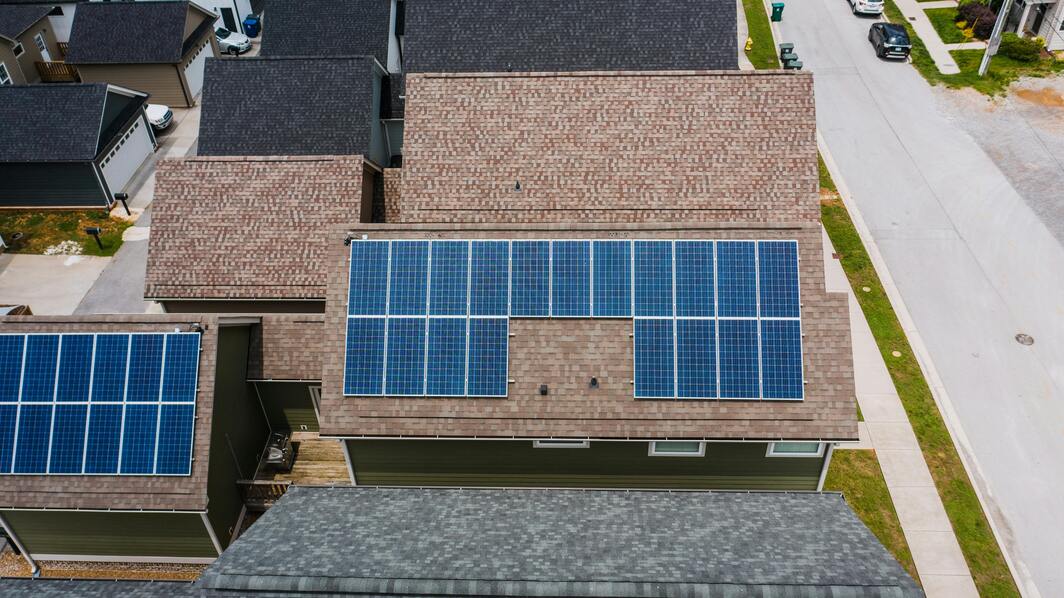
Pairing solar systems with proper home insulation lets you maximize both energy savings and comfort. You won’t just cut your utility bills; you’ll make your home quieter, more efficient, and even more valuable. But to see the real benefits, you need to know the right steps and timing—otherwise, common missteps could cost you. If you want a home that truly stands out for efficiency, there are a few things you should consider next.
The Role of Insulation in Maximising Solar Energy Use
Effective insulation plays a crucial role in enhancing the performance of solar energy systems in residential settings. When insulation meets appropriate standards, it significantly impacts the efficiency of solar energy generation. Key areas for insulation upgrades, such as attics and roofs, help to minimize heat loss, thereby enabling solar panels to produce clean electricity more effectively.
An adequately insulated home can maintain consistent indoor temperatures during colder months, which subsequently reduces the reliance on heating and cooling systems. This synergy between insulation and solar energy not only contributes to lower electricity and heating bills but also promotes overall indoor comfort.
Furthermore, by improving energy efficiency, homeowners can reduce their overall carbon footprint. Investing in quality insulation, in conjunction with solar panel installation, presents a viable opportunity to enhance the financial return on investment.
By optimizing both insulation and solar energy systems, homeowners can realize substantial long-term savings while also contributing to sustainability efforts. It is essential to consider these factors when planning for energy efficiency improvements in residential properties.
Strategies to Increase Self-Consumption and Solar ROI
Homeowners can enhance the financial returns from their solar energy systems by implementing strategies that increase self-consumption. This approach ensures that a greater proportion of the electricity generated by solar panels is utilized within the home, rather than being sent back to the grid.
One critical factor in achieving higher self-consumption is the proper insulation of the attic and roof. Adequate insulation minimizes heat loss during winter months, thereby improving overall indoor comfort and energy efficiency. The installation of insulation can lead to notable reductions in both electricity and heating bills, while also contributing to a lower carbon footprint.
Additionally, combining insulation upgrades with solar panel installation in Fort Worth can be financially beneficial. This strategy not only enhances energy savings but may also increase the property's value.
Financing both insulation and solar enhancements concurrently can provide a favorable return on investment, making it a prudent consideration for homeowners looking to optimize their energy expenditures.
In conclusion, by improving insulation and increasing self-consumption, homeowners can effectively maximize the economic benefits associated with solar energy systems.
Key Insulation Upgrades for Different Types of Homes
A methodical approach to enhancing home insulation requires consideration of your property's specific construction characteristics. Insulating the attic is a fundamental step, as it mitigates heat loss through the roof and significantly improves winter energy efficiency, which can lead to cost savings.
In mid-century homes, the implementation of cavity wall insulation and comprehensive draught-proofing measures can enhance indoor comfort and reduce energy expenses.
For older properties, solid wall insulation presents a practical solution to minimize heating costs. This approach not only contributes to overall energy efficiency but can also align with sustainable objectives, particularly for homeowners contemplating the installation of solar panels.
When these insulation upgrades are integrated, they facilitate the effective operation of heating and cooling systems while concurrently lowering electricity expenditures and enhancing the financial viability of solar investments.
Timing Energy Improvements: Insulation or Solar First
When planning energy improvements for a home, it is crucial to carefully consider the sequence of upgrades.
Prioritizing insulation, particularly in areas such as the attic and roof, is advisable as it directly impacts a home’s energy efficiency. Enhanced insulation minimizes heat loss during winter months, which can lead to reduced electricity costs and improved overall indoor comfort.
A home with effective insulation requires less energy for heating and cooling, thereby increasing the efficiency and potential effectiveness of subsequent solar panel installation. When solar panels are installed in a well-insulated home, they are able to generate electricity more effectively, which may enable homeowners to contribute excess energy back to the grid.
Implementing energy upgrades in a staged manner, along with utilizing smart financing options, can further enhance the return on investment. This approach ensures that improvements are complementary, optimizing cost savings while also working towards a reduction in carbon emissions.
In summary, initiating improvements with insulation before proceeding to solar panel installation is a strategic decision that can promote both immediate financial benefits and long-term energy efficiency.
Common Pitfalls and Mistakes in Home Insulation
Insulation is a critical component of enhancing a home's energy efficiency. However, failing to address key areas can significantly diminish the overall effectiveness of the insulation system.
For instance, neglecting insulation in the attic or roof can lead to substantial heat loss, resulting in increased electricity bills and higher heating costs, particularly during the winter months.
Additionally, focusing solely on minor upgrades, such as replacing windows, often overlooks larger areas of heat loss within the home. This can diminish the effectiveness of solar energy systems, as significant energy expenditure may be necessary to maintain indoor temperatures.
Therefore, it is essential to assess and address all aspects of insulation collectively to achieve optimal energy efficiency.
Failing to properly insulate a home may result in reduced indoor comfort and lower the return on investment for renewable energy systems, such as solar panels.
A comprehensive approach to insulation that includes all necessary areas is crucial for maximizing the benefits of energy-efficient upgrades and ensuring long-term cost savings.
Supporting Battery Storage and Heat Pump Performance with Insulation
Homeowners often turn to solar panels and battery storage as part of their energy strategy. However, the effective performance of these technologies is significantly enhanced by proper insulation. Insulating your attic and roof helps to retain heat during the winter months, leading to improved indoor comfort and reduced electricity costs.
Insulation and solar energy systems function synergistically. Enhanced insulation diminishes energy loss, which can lower heating expenses and add value to the home. With effective insulation, solar panels are better positioned to generate electricity, allowing batteries to charge more efficiently and potentially enabling homeowners to contribute energy back to the grid.
Moreover, heat pumps benefit from this improvement in insulation. A well-insulated home allows heat pumps to operate with greater efficiency, which can lead to lower energy consumption and decreased overall carbon emissions.
Homeowners should assess the insulation options available to them and select materials that match their specific needs. This thoughtful approach can maximize the return on their investment in both insulation and renewable energy technologies.
Realistic Upgrade Paths for Enhanced Home Energy Efficiency
To effectively enhance energy efficiency in residential properties, homeowners should employ a systematic approach. One of the initial steps is to upgrade attic insulation. Improved insulation plays a critical role in minimizing heat loss through the roof, which can significantly lower energy consumption needed for heating and cooling. This not only contributes to a more comfortable indoor environment but also results in reduced electricity bills over time.
Following insulation improvement, homeowners may consider the installation of solar panels. Effective insulation facilitates the optimal functioning of solar panels, allowing them to generate electricity more efficiently. This efficiency can contribute positively to the return on investment for the solar system.
Collectively, these upgrades have the potential to increase the overall value of the property while also lowering the household’s carbon footprint.
It is advisable for homeowners to explore various financing options available for energy efficiency upgrades and to conduct a thorough assessment of different insulation types to determine what best meets their needs.
Prioritizing these enhancements based on potential long-term cost savings can lead to more effective budgeting and resource management in energy consumption.
Conclusion
By combining solar systems with proper home insulation, you unlock powerful energy savings and boost your home’s comfort. Insulation keeps your solar-generated energy where you need it, letting you maximize self-consumption and reduce bills. Carefully planning upgrades and avoiding common mistakes ensures your investment pays off in both performance and peace of mind. With the right approach, you’re not just saving money—you’re actively supporting a greener, more efficient future for your household and community.