Understanding How Residential Solar Connects to Virginia’s Power Grid
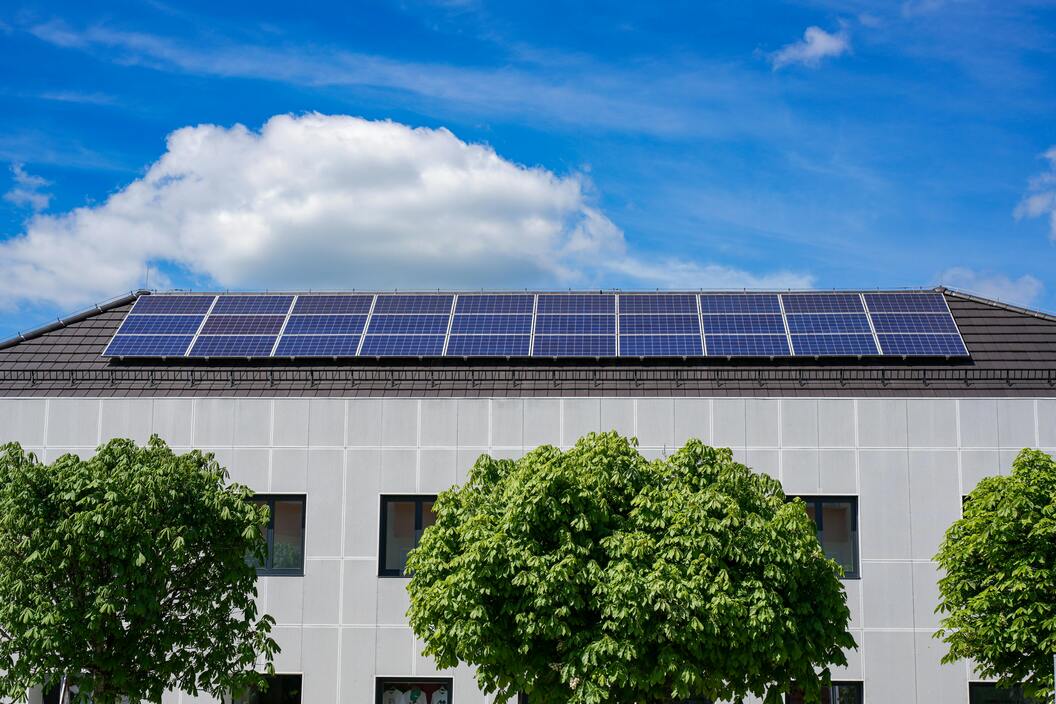
If you’re considering solar for your home in Virginia, it’s important to understand how your panels interact with the local power grid. Connecting residential solar systems isn’t as simple as plugging in; you’ve got incentives, regulatory steps, and technical details to navigate. Net metering lets you turn extra energy into savings, but the process has several layers that can affect your experience. So, what really happens when your solar panels power up?
Overview of Solar Energy Production in Virginia
Virginia has positioned itself as a notable player in the solar energy sector, achieving a rank of 9th in the nation for solar energy production in 2023. Currently, solar sources contribute approximately 5% of the state's total electricity generation.
The region's climate, characterized by an average of 200 to 215 sunny days per year, provides a conducive environment for the operation of solar panels and the advancement of related energy systems.
The growing adoption of solar energy among homeowners, local communities, and electric utilities, such as Dominion Energy and Appalachian Power, can be attributed to various factors, including the financial benefits associated with solar installations. These installations can lead to reduced utility bills and lessen initial expenditure on energy.
In recent years, the solar market in Virginia has expanded significantly, aided by improvements in technology and the availability of financial resources, as highlighted by https://solarpanelvirginia.com/
Additionally, programs such as net metering allow consumers to receive bill credits for excess electricity generated by their solar systems. This not only enhances the economic viability of solar energy but also supports Virginia's broader goals of environmental sustainability.
Residential Solar System Integration with the Power Grid
Integrating a residential solar system with the power grid is an essential process that facilitates both economic and functional advantages. Solar panels generate electricity from sunlight, which can be utilized within the home or fed into local electric utilities, such as Dominion Energy or Appalachian Power. This connection to Virginia's electricity grid enables efficient distribution and the advancement of new energy projects, providing access to reliable power and allowing homeowners to mitigate costs, particularly during periods of high demand.
In recent years, there has been an increasing recognition among homeowners regarding the benefits of connecting to the grid. This decision is often influenced by a balance of technical considerations, such as system performance and grid stability, alongside the upfront financial investment required for installation.
Additionally, the incorporation of battery storage solutions can enhance system resilience, allowing homeowners to better manage their energy use and respond to fluctuations in market conditions.
Overall, the integration of residential solar systems with the grid presents a practical framework for supporting both individual and collective energy goals.
Net Metering Policies and How They Benefit Homeowners
Net metering serves as a viable option for homeowners looking to enhance the economic viability of their residential solar investments. When solar panels produce more electricity than the home consumes, the excess energy is credited to the homeowner's account at the full retail rate by local electric utilities, including Dominion and Appalachian Power. This system of bill credits can lead to significant reductions in utility expenses, particularly in periods of low sunlight.
In Virginia, the implementation of net metering is instrumental in fostering the growth of new solar projects and systems. By lowering the initial financial barriers, net metering facilitates broader adoption of renewable energy and contributes to the overall demand for clean electricity. Furthermore, the increasing number of participants in the net metering program can enhance grid distribution and promote environmentally responsible practices.
Critically, net metering simplifies participation in solar energy use, as it does not require complex technical setups or the navigation of numerous market barriers. This straightforward approach aids homeowners in maximizing their investment in solar technology while simultaneously supporting the transition towards sustainable energy systems.
Virginia-Specific Incentives and Energy Programs
Virginia offers a variety of incentives and energy programs designed to decrease both the initial investment and ongoing costs related to residential solar energy systems. One key feature is the state’s net metering policy, which allows homeowners to receive full retail bill credits for the surplus electricity generated by their solar system that is fed back into the grid, particularly benefiting customers of utilities such as Dominion Energy and Appalachian Power.
Additionally, the Community Solar Program presents a viable option for individuals, including renters, to benefit from solar energy without requiring the installation of panels on their own properties. This program facilitates access to solar energy production at a community scale, which can be advantageous for those who may not have the ability to install solar equipment on their homes.
The Pollution Control Tax Exemption is another relevant incentive, which can significantly reduce property taxes associated with solar installations or battery storage systems. This exemption serves to enhance the financial viability of renewable energy investments.
Furthermore, Virginia provides local technical support and various state resources that contribute to market development initiatives. These efforts not only promote the adoption of clean energy technologies but also serve to lower overall utility bills for consumers.
Collectively, these incentives and programs illustrate Virginia's commitment to fostering a more sustainable energy landscape while alleviating financial burdens on residents.
Technical Considerations for Installing Solar on Homes
Before initiating a residential solar installation, it is essential to evaluate several technical factors to ensure that the system functions effectively and adheres to local regulations. In Virginia, homeowners should first assess the orientation of their roof to maximize exposure to sunlight, as this significantly influences solar energy production.
Selecting the appropriate solar panels is crucial, and compatibility with the standards set by local utility providers, such as Dominion Energy and Appalachian Power Company, must be confirmed.
The solar system's inverter plays a critical role by converting direct current (DC) generated by the panels into alternating current (AC), which is suitable for home use and safe for distribution.
Additionally, the implementation of Net Metering allows homeowners to receive credits on their electricity bills for any surplus energy supplied back to the grid.
It is imperative to coordinate with electric utility companies during both the installation and development processes to ensure compliance with their requirements.
In recent years, there has been an increase in the adoption of battery storage solutions, which can mitigate utility costs by storing excess energy generated during the day for later use. This trend may also help reduce initial investment costs over time, as advancements in battery technology continue to emerge.
Community Solar and Options for Renters
Renters can derive the benefits of solar energy without the need to install panels directly on their properties by participating in community solar programs. One such program is the Appalachian Power Company's Community Solar (CSS) initiative, slated to launch in 2024. Under this model, individuals can subscribe to a local solar facility, allowing them to receive electric bill credits aligned with their proportional share of the energy produced.
Community solar initiatives alleviate the technical complexities and upfront costs commonly associated with solar energy systems, making them accessible to a broader demographic, including renters.
In Virginia – as well as in other regions with similar programs – both homeowners and renters can attain benefits from utilizing clean energy. The excess electricity generated by these community solar projects can be utilized by electric utilities, such as Dominion, thereby contributing to market distribution and supporting environmental stewardship efforts.
Such programs represent a viable alternative for renters wishing to engage with renewable energy sources, while also financially benefiting from reductions in their electricity bills.
Utility-Scale Solar and Its Impact on Energy Reliability
As solar energy continues to increase its share in Virginia's electricity mix, utility-scale solar installations play a significant role in enhancing the stability and reliability of the state's power grid. Key utility providers, such as Dominion and Appalachian Power, have implemented large-scale solar panel systems paired with battery storage solutions. These developments serve to bolster local electricity distribution and decrease reliance on fossil fuels.
The operation of utility-scale solar facilities allows for the generation of clean electricity, especially during periods of peak sunlight. This capability aids electric utilities in addressing technical constraints and minimizes the initial costs associated with necessary infrastructure upgrades.
Furthermore, as the market attracts investment in new solar development projects, residential consumers stand to gain from potential reductions in utility bills, the possibility of receiving bill credits for surplus electricity generated, and a contribution to improved environmental sustainability.
Current projections indicate that these net benefits are expected to continue evolving in the coming years.
Current Challenges and Research in Solar Energy Deployment
While the adoption of solar energy in Virginia has experienced significant growth, several practical challenges persist that affect its integration into the electric grid. Notably, supply chain issues related to the panels required for new installations, particularly those sourced internationally, are hindering timely project development.
Homeowners and local businesses often face high upfront costs, which remain a significant barrier despite existing installation incentives and bill credits aimed at mitigating those expenses.
In addition to financial considerations, there are technical hurdles that complicate the deployment of solar energy. Issues related to electricity distribution, battery storage capacity, and net metering arrangements continue to pose challenges for various stakeholders, including utility companies such as Dominion and Appalachian Power.
Furthermore, ongoing research is aimed at balancing the imperative for clean electricity with the need for environmental stewardship within Virginia's energy market. Addressing these challenges is crucial for enhancing the overall efficiency and effectiveness of solar energy deployment in the region.
Conclusion
Residential solar in Virginia gives you the opportunity to save on energy costs, increase your home's value, and contribute to a cleaner environment. If you're considering solar, it's important to understand grid connectivity, available incentives, and your local utility’s role. While challenges remain, ongoing innovation and supportive policies continue to drive growth. By staying informed, you can make smart decisions about solar adoption and take an active role in Virginia’s sustainable energy future.